
KINGAI OS Edge
A planned lightweight appliance and offline-node direction. No published install image or ARM64 hardware certification.
View details →DESKTOP · SERVER · EDGE · AI WORKSTATION
A planned lightweight appliance and offline-node direction. No published install image or ARM64 hardware certification.
Release status: planned
Architecture target: amd64, arm64 (target)
Small-footprint managed appliances, gateways and offline-first edge nodes
A planned lightweight appliance and offline-node direction. No published install image or ARM64 hardware certification.
View details →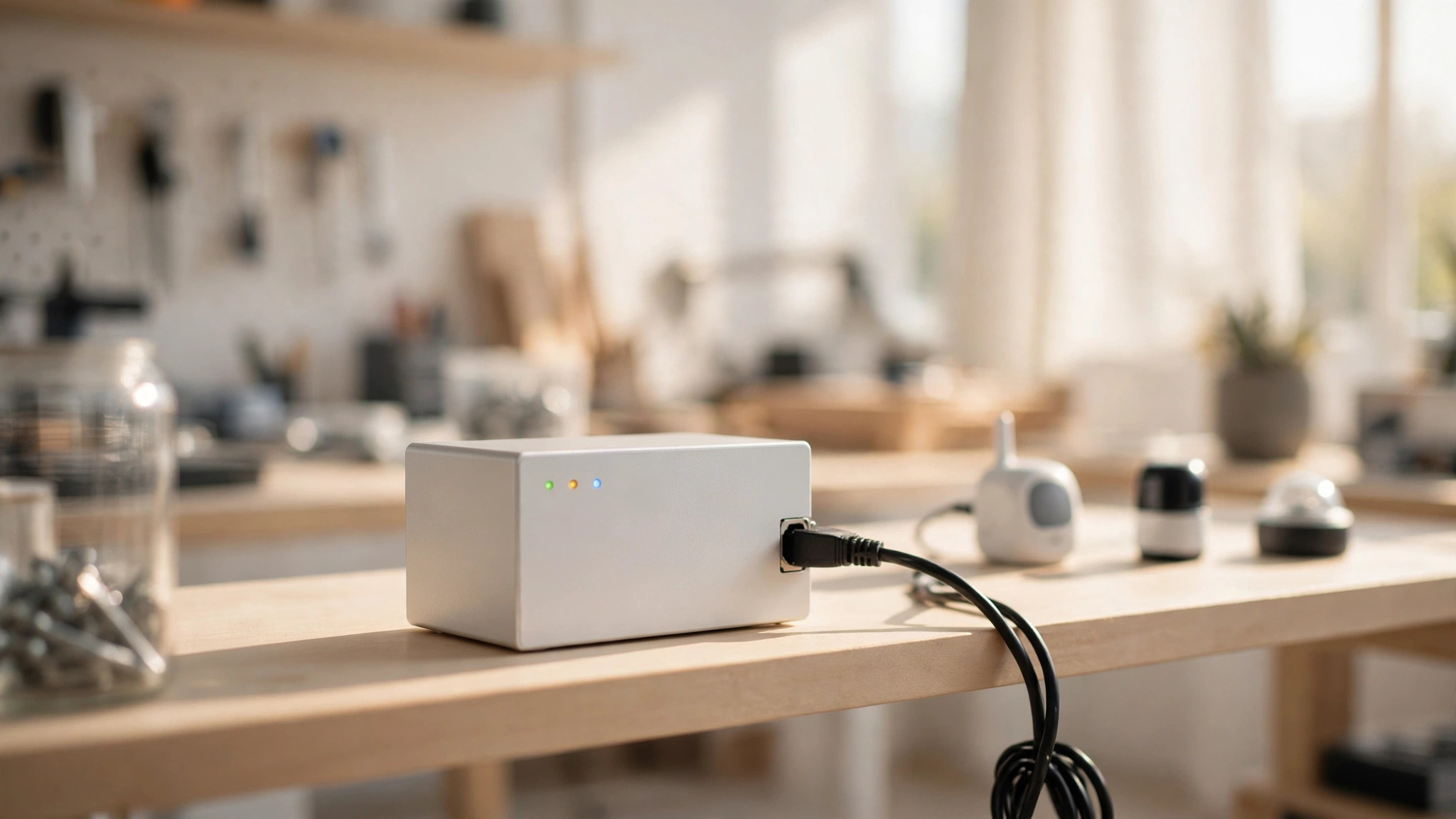
Edge targets small appliances, gateways and offline-first nodes that sit in a corner and keep running when the network does not. It is still in planning. Everything below is design direction, and none of it counts until a real image and hardware testing exist.
Edge is aimed at a particular kind of hardware: small gateways and dedicated terminals tucked into shops, warehouses, equipment rooms and outdoor enclosures. Storage is tight, memory is limited, the network comes and goes, and nobody may visit the device in person for months. For hardware like that, an operating system's most important quality is not feature count. It is small size, no data loss while offline, and updates that can pick themselves up after failing.
That is why the Edge design order is survival first, management second: collect data locally and hold it steady, sync to the center when the network returns, and make every update either complete fully or roll back to the previous working state — never stop halfway. All of this is still design entries in the product documents. This section unpacks them one at a time, and each carries the same status: not yet implemented.
Device storage and memory are both scarce, so the image gets trimmed to what the device actually uses. The goal is a small footprint; real numbers wait for a real image, and the planning stage publishes none.
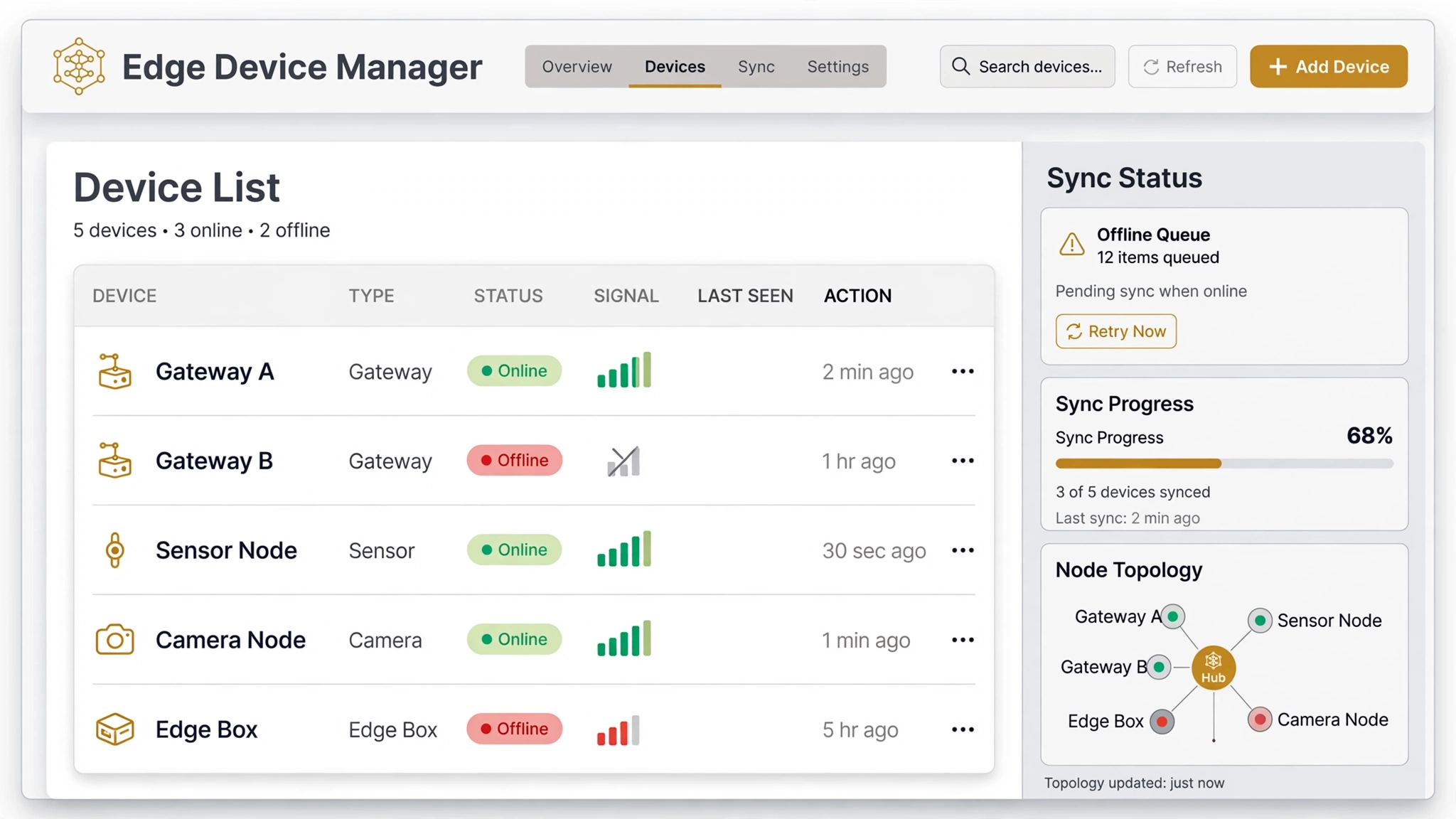
While the network is down, collected data and pending events queue up locally; when connectivity returns, they sync to the center in order. Unstable site networks are the normal case, and this mechanism decides whether a few offline hours quietly erase data.
Where the hardware suits it, the system partition stays read-only, updates are written to a second partition, and a failed boot switches back to the old one automatically. For an unattended device, that is far more realistic than dispatching a technician after a bad update. Applicability depends on the hardware; the documents say where suitable.
Remotely issued commands must arrive signed, and anything from the wrong source gets refused. New versions roll out to a small canary cohort first and go fleet-wide only after observation. Together these are the foundations of fleet management — and today they are design targets.
Secure boot, a verified boot chain and TPM or secure-element support all depend on what the device hardware itself offers. The documents list them as options, not standard equipment, and this page makes the same limited promise.
After an interrupted update, a power cut or a corrupted configuration, the device must return to a working state rather than a brick. Recovery paths get their own interruption tests before release — one of the gates below.
None of the four gates has been passed, so Edge has no version number, no ISO and no download button. The official catalog states it directly: no hardware, OTA, fleet management or ARM64 support is claimed.
Publicly: planned, full stop. On the internal experimental line, the engineering team has built amd64 Edge experimental images in the Debian 13 direction and kept build records — but the images were not retained, there is no download, and no firmware boot validation was run on them. An experimental build and a public release have four gates between them, and anyone offering a KINGAI OS Edge package today is not offering an official one.
See the four-edition roadmap → See the version log → See the published Server preview → Follow progress in Issues →
Answers from our public pages
Leo is an AI and answers from our public pages only. Anything else goes to a human via the contact page.